Showing 721–732 of 1048 results
-
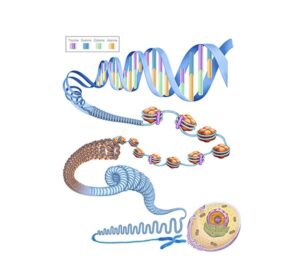
Structure and formation of DNA
24,50 € Add to basketStructure and formation of DNA. This double helix molecule
stores genetic information through sequences of nucleotides and
nitrogenous bases. Its enzymatic replication process allows the
precise transfer of the biological code during cell division for
inheritance purposes.


-
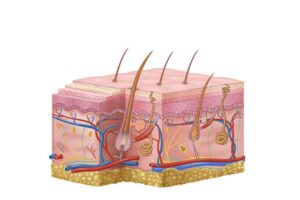
Structure of human skin
24,50 € Add to basketHuman skin consists of the epidermis, dermis, and hypodermis.
along with follicles, glands, and vessels that protect the body,
regulate temperature, and enable sensory perception. -
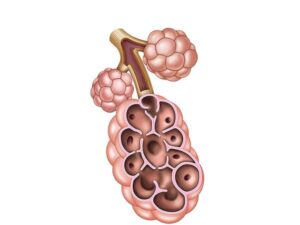
Structure of the alveoli
24,50 € Add to basketThe structure of alveoli shows microscopic air sacs
located at the ends of bronchioles. These small lung
structures are responsible for oxygen and carbon
dioxide exchange during respiration. -
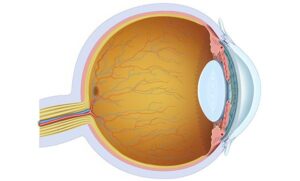
Structure of the eye
24,50 € Add to basketThe structure of the eye includes the cornea, iris, pupil,
lens, retina, and optic nerve that capture light and transmit
visual information. -
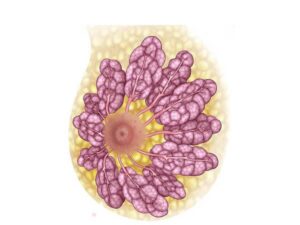
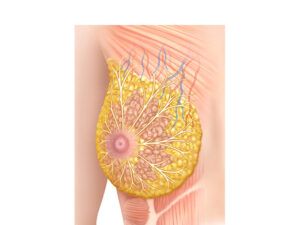
Structure of the mammary lobes
24,50 € Add to basketThe structure of the mammary lobes explains how
glandular tissues are organized inside the breast.
Each breast contains lobes, lobules, and ducts
responsible for milk production and transport
during breastfeeding. -
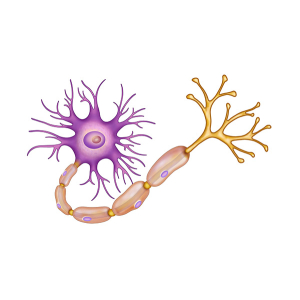
Structure of the Neuron
24,50 € Add to basketThe structure of the neuron is composed of three
main parts: the soma, the dendrites, and the axon.
The soma or cell body contains the nucleus and
regulates the essential functions of the cell. -
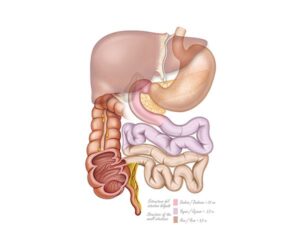
Structure of the small intestine
24,50 € Add to basketThe small intestine structure includes the duodenum,
jejunum, and ileum. Its mucosa has villi and microvilli
that increase the absorption surface and allow efficient
nutrient uptake in the digestive system. -
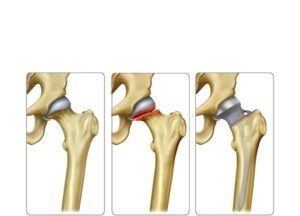
Subcapital femoral prosthesis
24,50 € Add to basketSubcapital femoral prosthesis is a surgical treatment for
severe fractures near the femoral head. Moreover, it replaces
damaged structures, relieving pain and restoring mobility.
Indication depends on patient age, health, and fracture severity. -
Suspensory ligaments of the breast.
24,50 € Add to basketSuspensory ligaments of the breast, also known as
Cooper’s ligaments are fibrous connective structures
that support breast tissue and help maintain the
natural shape and stability of the breasts.> -
Synapse beta-amyloid protein
24,50 € Add to basketSynapse, beta-amyloid protein, and neurofibrillary tangles
in Alzheimer’s disease. The neuronal synapse is
the point of communication between neurons and plays
an essential role in the functioning of the nervous system..
-
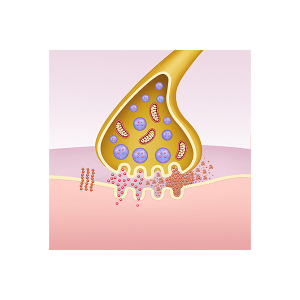
Synapse in Alzheimer’s disease
24,50 € Add to basketThe synapse in Alzheimer’s disease has an altered function in
neuronal communication. Moreover, under normal conditions,
synapses allow efficient signal transmission. Additionally, they
support memory and learning. -
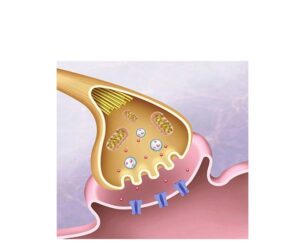
Synapse in Parkinson’s disease
24,50 € Add to basketParkinson’s disease. It is characterized by the loss of dopamine-producing
cells in the brain. This dopamine deficiency leads to motor and non-motor
symptoms, such as balance problems and cognitive alterations.