Nerves
Showing 181–192 of 251 results
-
Retina and macula structure
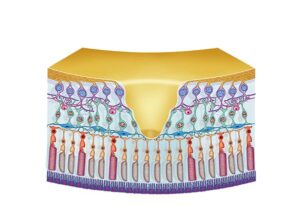
24,50 € Add to basketThe retina and macula contain photoreceptor cells that
detect light and enable vision. The macula and its central
region, the fovea, provide detailed central vision and
accurate color perception.


-
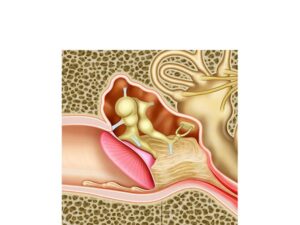
Rupture of the tympanic membrane
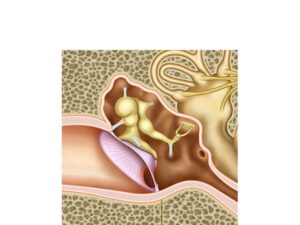
24,50 € Add to basketThe eardrum rupture has an altered function in hearing. Moreover,
under normal conditions, the eardrum vibrates when receiving sound
waves. Additionally, it transmits these vibrations to the ossicles.
Furthermore, it allows sound perception. -
Sagittal section of the head
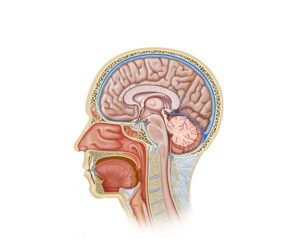
24,50 € Add to basketIllustration of the sagittal section of the head,
This anatomical cut provides a detailed view of
the structures of the brain, eyes, nose, and mouth. -
Salivary glands
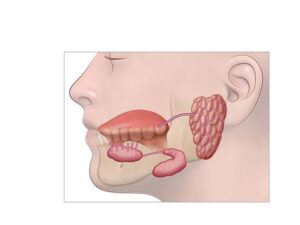
24,50 € Add to basketSalivary glands: parotid, submandibular, and sublingual
glands that produce saliva, initiating digestion, and lubricating
the mouth, and facilitating swallowing and oral protection. -
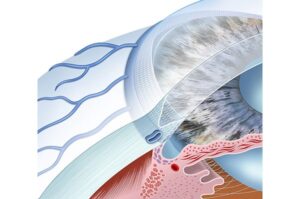
Schlemm’s canal
24,50 € Add to basketThe canal of Schlemm drains aqueous humor from the
trabecular meshwork into the venous system, helping
regulate intraocular pressure. -
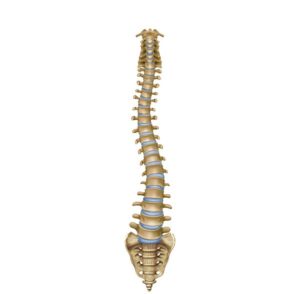
Scoliosis and ataxia
24,50 € Add to basketThe scoliosis and ataxia have an altered function in body
alignment and coordination. Moreover, under normal conditions,
the spine maintains balanced physiological curves. Additionally,
it distributes weight properly -
Serous otitis media
24,50 € Add to basketThe serous otitis media has an altered function in hearing. Moreover,
under normal conditions, the middle ear is air-filled. Additionally, the
Eustachian tube balances pressure. Furthermore, it allows proper sound
transmission. -
Side view of the brain
24,50 € Add to basketIllustration of the sagittal section of the head,
This anatomical cut provides a detailed view of
the structures of the brain, eyes, nose, and mouth. -
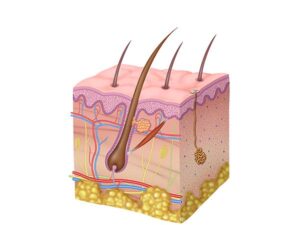
Skin physiology
24,50 € Add to basketSkin physiology explains how the epidermis, dermis, and
hypodermis, along with glands, vessels, and nerves, protects
the body, regulates temperature and enables sensory perception. -
Somatosensory cortex
18,50 € Add to basketThe somatosensory cortex is the region of the brain that
processes sensory information from the body,
such as touch, pressure, and temperature, and allows
the location of stimuli to be interpreted.


-
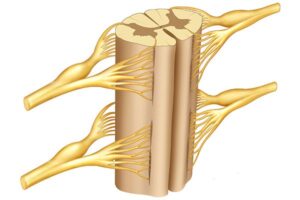
Spinal cord anatomy
24,50 € Add to basketThe spinal cord is a crucial part of the central nervous
system. First, it extends from the brain to the interior
of the vertebral column. Additionally, it is composed
of nerves and specialized nervous tissue. -
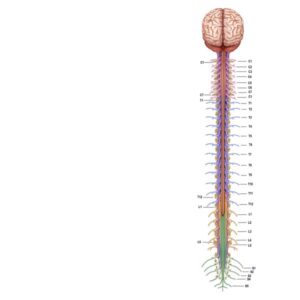
Spinal cord outline
24,50 € Add to basketA spinal nerve diagram illustrates the organization of these
important structures within the human nervous system.
Spinal nerves originate directly from the spinal cord and exit
through the intervertebral spaces of the vertebral column.