Nerves
Showing 193–204 of 251 results
-
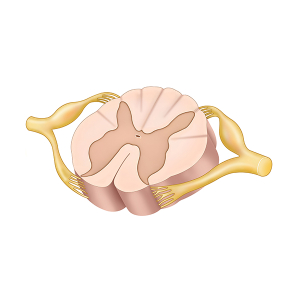
Spinal cord segment
24,50 € Add to basketThe spinal cord segment represents its
anatomical structure, including gray and
white matter, spinal nerves, and nerve roots.
This structure is fundamental for the
transmission of signals between the brain
and the body.


-
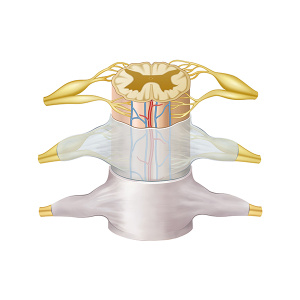
Spinal cord structure
24,50 € Add to basketThe structure of the spinal cord shows its segmented
organization and main components. First, it includes
the gray matter, which contains neuronal cell bodies.
-
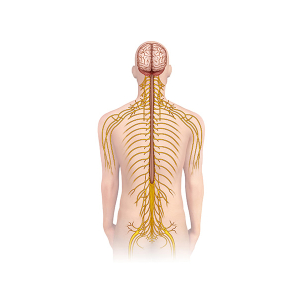
Spinal nerve branches
24,50 € Add to basketSpinal nerve branches play a fundamental role in the
organization of the human nervous system. These
nerves emerge directly from the spinal cord through
the intervertebral spaces of the vertebral column. -
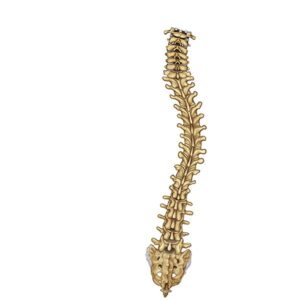
Spine with scoliosis
24,50 € Add to basketThe spine with scoliosis has an altered function in body alignment.
Moreover, under normal conditions, the spine maintains balanced
physiological curves. Additionally, it distributes weight evenly.
Furthermore, it ensures body stability. -
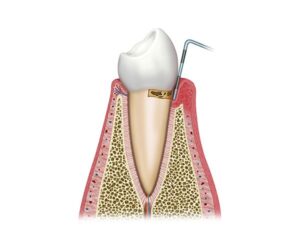
Stage II periodontitis
24,50 € Add to basketThe stage II periodontitis has an altered function in dental
support. Moreover, under normal conditions, the gums and
bone keep the tooth stable. Additionally, the periodontal
ligament distributes chewing forces. -
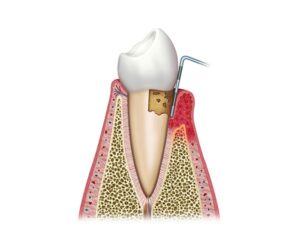
Stage III periodontitis
24,50 € Add to basketThe stage III periodontitis has an altered function in dental support.
Moreover, under normal conditions, gums and bone maintain tooth
stability. Additionally, the periodontal ligament distributes chewing
forces. -
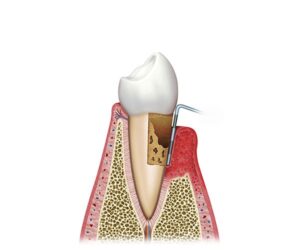
Stage IV periodontitis
24,50 € Add to basketThe stage IV periodontitis has a severely altered function in dental
support. Moreover, under normal conditions, alveolar bone and
gums maintain tooth stability. Additionally, the periodontal ligament
distributes chewing forces. -
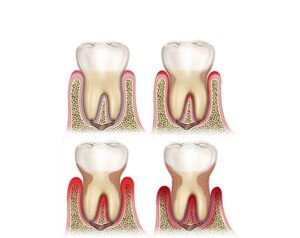
Stages of periodontitis
24,50 € Add to basketThe stages of periodontitis have a general function in disease
classification. Moreover, under normal conditions, gums and
bone maintain tooth stability. Additionally, the periodontal
ligament distributes forces. Furthermore, they ensure oral health. -
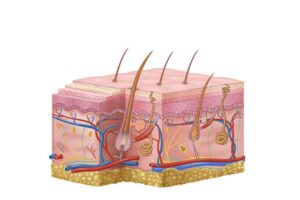
Structure of human skin
24,50 € Add to basketHuman skin consists of the epidermis, dermis, and hypodermis.
along with follicles, glands, and vessels that protect the body,
regulate temperature, and enable sensory perception. -
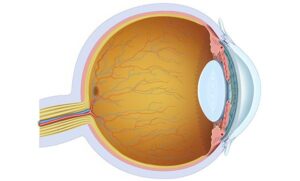
Structure of the eye
24,50 € Add to basketThe structure of the eye includes the cornea, iris, pupil,
lens, retina, and optic nerve that capture light and transmit
visual information. -
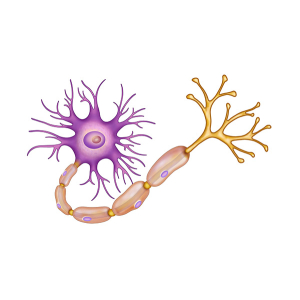
Structure of the Neuron
24,50 € Add to basketThe structure of the neuron is composed of three
main parts: the soma, the dendrites, and the axon.
The soma or cell body contains the nucleus and
regulates the essential functions of the cell. -
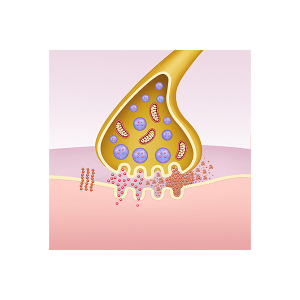
Synapse beta-amyloid protein
24,50 € Add to basketSynapse, beta-amyloid protein, and neurofibrillary tangles
in Alzheimer’s disease. The neuronal synapse is
the point of communication between neurons and plays
an essential role in the functioning of the nervous system..