Nerves
Showing 169–180 of 251 results
-
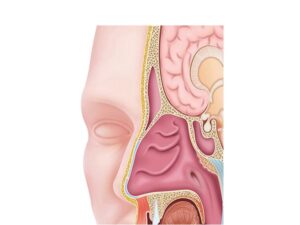
Pharynx anatomy
24,50 € Add to basketPharynx anatomy: a muscular tube in the neck connecting
the nasal and oral cavities with the larynx and esophagus,
enabling breathing, swallowing, and contributing to
phonation.


-
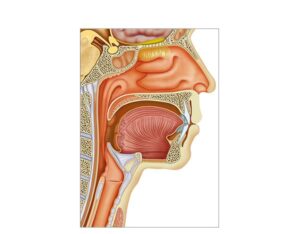
Pharynx and larynx anatomy
24,50 € Add to basketPharynx and larynx anatomy: structures connecting the oral
and nasal cavities with the esophagus and larynx, enabling
breathing, swallowing, and voice production. -
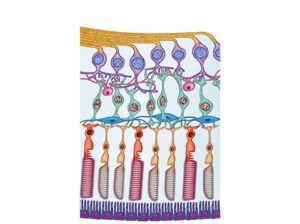
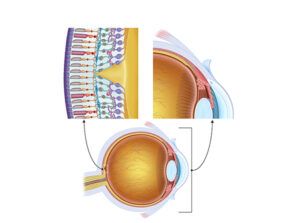
Photoreceptors cones and rods
24,50 € Add to basketPhotoreceptors in the retina include cones and rods. Cones
enable detailed color vision in bright light, while rods provide
sensitivity to dim light and support peripheral vision. -
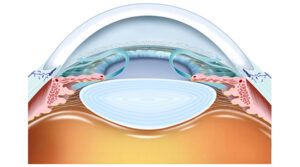
Physiology of aqueous humor
24,50 € Add to basketAqueous humor physiology explains how this fluid nourishes
the cornea and lens while maintaining intraocular pressure
through circulation and drainage. -
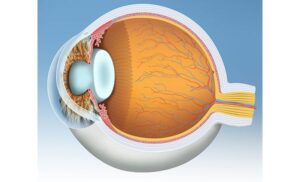
Physiology of the eye
24,50 € Add to basketEye physiology explains how the cornea, iris, pupil,
lens, retina, and optic nerve work together to capture
light and create vision. -
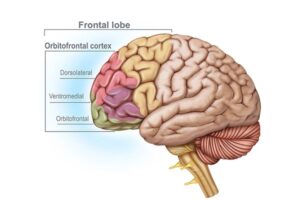
Physiology of the frontal lobe
24,50 € Add to basketIn frontal lobe physiology, we will see that it is one of
the most important regions of the human brain and
plays a fundamental role in numerous cognitive and
motor functions..
-
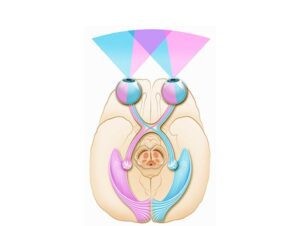
Physiology of the visual system
24,50 € Add to basketThe physiology of the visual system explains how the eye, The
optic nerve and the brain work together to convert light into
nerve signals that allow humans to perceive images and
interpret the visual world. -
Physiology of vision
24,50 € Add to basketVisual physiology explains how the eye captures light and
converts it into nerve signals processed by the brain. This
process includes focusing light on the retina, transmitting
signals through the optic nerve and perceiving color, contrast
and brightness. -
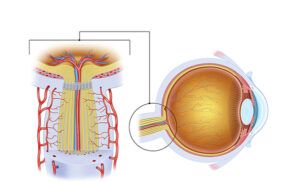
Physiology Optic Nerve
24,50 € Add to basketThe optic nerve carries visual signals from the retina to
the brain. These electrical impulses are processed in the
visual cortex, allowing the brain to interpret light, color,
and shapes as visual images. -
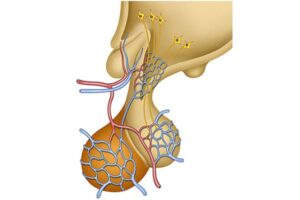
Pituitary gland
24,50 € Add to basketThe pituitary gland is a small endocrine gland
located at the base of the brain. Moreover, it plays
a central role in regulating the endocrine system. -
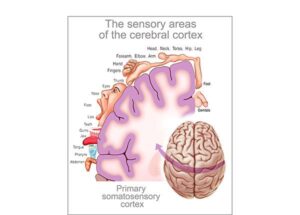
Primary somatosensory cortex
24,50 € Add to basketThe primary somatosensory cortex is a fundamental region
of the brain responsible for processing sensory information
from different parts of the body related to touch, pressure,
temperature, and other bodily sensations..
-
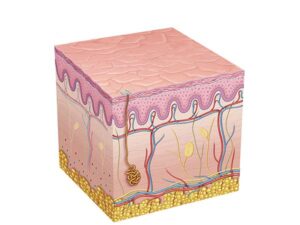
Representation of human skin
24,50 € Add to basketEs un hecho establecido hace demasiado tiempo que
un lector se distraerá con el contenido del texto de un
sitio mientras que mira su diseño. El punto de usar
Lorem Ipsum